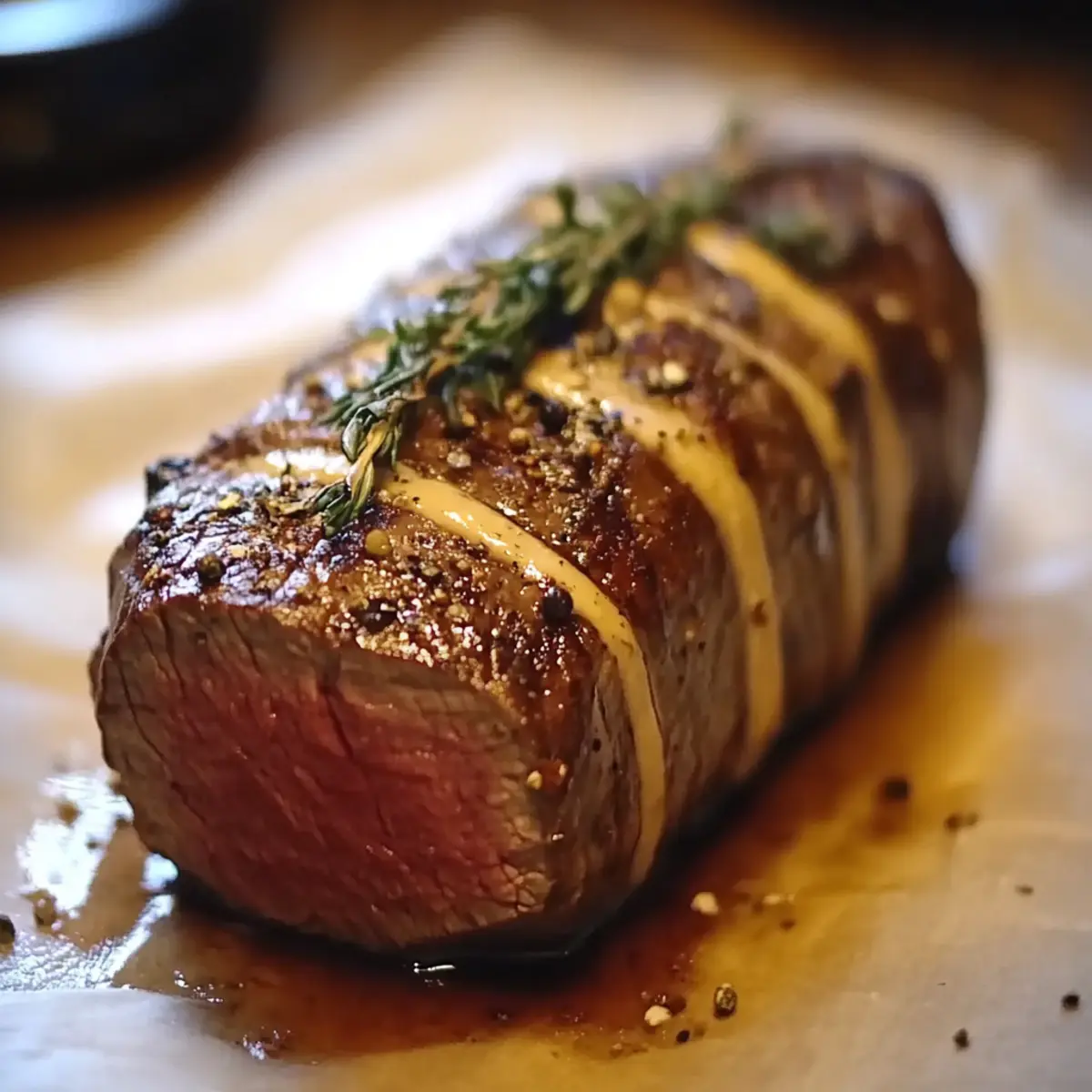
Effortless Elegance: Your Guide to Perfect Beef Tenderloin Roasts
Few dishes command attention and evoke a sense of occasion quite like a perfectly roasted beef tenderloin. Its reputation for being melt-in-your-mouth tender, incredibly flavorful, and undeniably luxurious makes it the ultimate centerpiece for holiday gatherings, romantic dinners, or any time you want to truly impress your guests. While its grandeur might suggest complexity, preparing a magnificent beef tenderloin roast is surprisingly straightforward, especially when armed with the right techniques and a few culinary secrets. Get ready to transform this prized cut into an unforgettable meal.
Why Beef Tenderloin Reigns Supreme (and Isn't as Intimidating as You Think)
The allure of beef tenderloin lies in its unparalleled tenderness. Located along the spine, this muscle performs very little work, resulting in an incredibly fine texture and buttery consistency that quite literally melts in your mouth. This inherent tenderness makes it a highly sought-after, and admittedly, more expensive cut of meat. However, the investment is well worth it for the exceptional dining experience it delivers.
Despite its gourmet status, don't let the price tag or perceived difficulty deter you. Mastering a beef tenderloin roast isn't about intricate chef skills; it's about respecting the meat and understanding a few key principles. The primary goal is to enhance its natural flavor and ensure it's cooked to perfection without drying out. With a little guidance, you’ll discover that preparing this showstopper is surprisingly accessible, making you a confident host every time.
The Heart of the Flavor: Mastering the Marinade
While beef tenderloin is inherently delicious, a thoughtfully crafted marinade elevates it from excellent to extraordinary. The secret to a truly unforgettable roast often lies in this pre-roast flavor infusion. We’re aiming for a marinade that balances sweet and tangy notes with aromatic herbs and a garlicky punch, creating an irresistible crust and deep flavor profile.
Our go-to is a vibrant take on a balsamic marinade, designed to imbue immense flavor in a relatively short time. Here’s a breakdown of its power-packed components:
- Balsamic Vinegar: Provides a rich, tangy foundation that tenderizes the beef ever so slightly and adds a complex depth.
- Whole-Grain Mustard: Beef and mustard are a classic pairing for a reason! The mustard adds a zesty, piquant note that cuts through the richness of the beef and contributes to the beautiful crust.
- Honey: Not only does honey introduce a touch of sweetness that balances the tang, but its sugars also caramelize beautifully during roasting, leading to a gorgeous, browned exterior.
- Mediterranean Herbs: Fresh sprigs of rosemary and thyme, along with a bay leaf, infuse the beef with earthy, aromatic notes that are classic companions to red meat. Their fragrance penetrates the tenderloin, creating a truly sensory experience.
- Smashed Garlic: Garlic adds a pungent, savory kick that is essential for building a robust flavor base.
Combining these ingredients with a good quality olive oil creates a potent elixir. Simply whisk them together in a large bowl or baking dish, add your trimmed and tied beef tenderloin, and turn to coat. Cover and refrigerate for at least 1 hour, or up to a full day. While you might be tempted to marinate longer, going beyond 24 hours can actually alter the texture of such a lean cut, potentially making it a little mushy. For a deeper dive into this incredible marinade and its accompanying sauce, check out our guide on Secret to Tender Beef Tenderloin: Balsamic Marinade & Yogurt Sauce.
From Selection to Sizzle: Preparing Your Roast for Perfection
The journey to a perfect beef tenderloin roast continues with careful selection and meticulous preparation before it even sees the oven.
Choosing Your Cut Wisely
When shopping for beef tenderloin, look for a piece that is already trimmed of most silver skin and fat, and ideally tied. Tying helps the roast maintain a uniform cylindrical shape, ensuring more even cooking. For most recipes designed for home cooks, a tenderloin weighing around 2 to 3 pounds is ideal. While tenderloins can be much larger (up to 10 pounds!), a smaller cut is more manageable and cooks more consistently for a home oven.
The Pre-Roast Ritual: Drying, Seasoning, and Setup
- Pat It Dry: This step is critical! Once you remove the tenderloin from the marinade, pat it thoroughly dry with paper towels. Excess moisture on the surface will steam rather than sear, hindering the formation of that beautiful, caramelized crust.
- Season Generously: Don't be shy with salt and freshly ground black pepper. A lean cut like tenderloin needs generous seasoning to enhance its flavor from the outside in. You can also sprinkle it with some fresh chopped rosemary and minced garlic for an extra aromatic boost right before roasting.
- Optimal Roasting Setup: Preheat your oven to a high temperature, typically 450°F (230°C). Line a rimmed baking sheet with aluminum foil for easy cleanup, then place a wire rack inside. Roasting the tenderloin on a wire rack is a game-changer. It elevates the meat, allowing hot air to circulate completely around it. This promotes better browning on all sides and ensures more even cooking throughout the roast.
The Act of Roasting: Precision is Key
Roast the tenderloin until it reaches your desired doneness. For a lean cut like beef tenderloin, most chefs and connoisseurs agree that medium-rare is the sweet spot. This means a bright red center with pink edges, guaranteeing maximum tenderness and juiciness. For a 2-pound tenderloin, this typically takes between 20 to 25 minutes.
However, relying solely on time can be misleading due to variations in oven calibration and meat thickness. The single most important tool for achieving perfect doneness is an instant-read meat thermometer. Insert it into the thickest part of the roast, avoiding any bones or pockets of fat. Aim for these internal temperatures before resting:
- Rare: 120-125°F (49-52°C)
- Medium-Rare: 130-135°F (54-57°C)
- Medium: 135-140°F (57-60°C)
Remember that the meat will continue to cook a few degrees as it rests, so pull it out just shy of your target temperature. To truly master the art of achieving that perfect internal temperature every time, explore our in-depth guide: Melt-in-Your-Mouth Beef Tenderloin: Master Medium-Rare Perfection.
The Essential Rest
Once your beef tenderloin reaches the desired internal temperature, remove it from the oven and transfer it to a cutting board. Crucially, let it rest, loosely tented with foil, for at least 10-15 minutes before slicing. This resting period allows the juices, which have been pushed to the center during cooking, to redistribute throughout the meat. Slicing too soon will result in a dry roast, as all those precious juices will simply run out onto the board.
Elevating the Experience: Beyond the Roast
While a perfectly roasted beef tenderloin is magnificent on its own, thoughtful accompaniments can elevate the entire dining experience.
The Tangy Yogurt Horseradish Sauce
A classic British pairing for beef is horseradish, and we love a fresh, tangy twist on this tradition. Swapping traditional heavy cream or mayonnaise for Greek yogurt creates a lighter, brighter sauce that beautifully complements the richness of the beef. The tartness of the yogurt, combined with the spicy kick of horseradish, provides a delightful contrast that awakens the palate. Simply whisk together Greek yogurt, prepared horseradish, a squeeze of lemon juice, and a pinch of salt and pepper for an incredibly easy yet sophisticated sauce.
Serving Suggestions and Other Cooking Methods
Serve your magnificent beef tenderloin roast with complementary side dishes. Think creamy mashed potatoes or a flavorful potato gratin, roasted asparagus or green beans, or a vibrant root vegetable medley. A simple pan sauce made from the drippings on the baking sheet can also add another layer of flavor.
For those looking for an alternative technique, smoked beef tenderloin offers an entirely different, yet equally delicious, experience. Smoking imparts a deep, smoky flavor and creates an even more profound melt-in-your-mouth tenderness that guests will rave about for weeks. Whether roasted or smoked, the tenderloin's versatility makes it a fantastic canvas for various culinary explorations.
Conclusion: Your Culinary Masterpiece Awaits
From understanding the unique qualities of this prized cut to mastering the art of the marinade and the precision of roasting, you now possess the knowledge to create an effortlessly elegant beef tenderloin roast. It's a dish that looks incredibly impressive but is surprisingly simple to execute, proving that you don't need to be a professional chef to create a truly special meal. So, gather your ingredients, follow these steps, and prepare to indulge in a dish that will undoubtedly become a treasured staple for all your fancy occasions.
