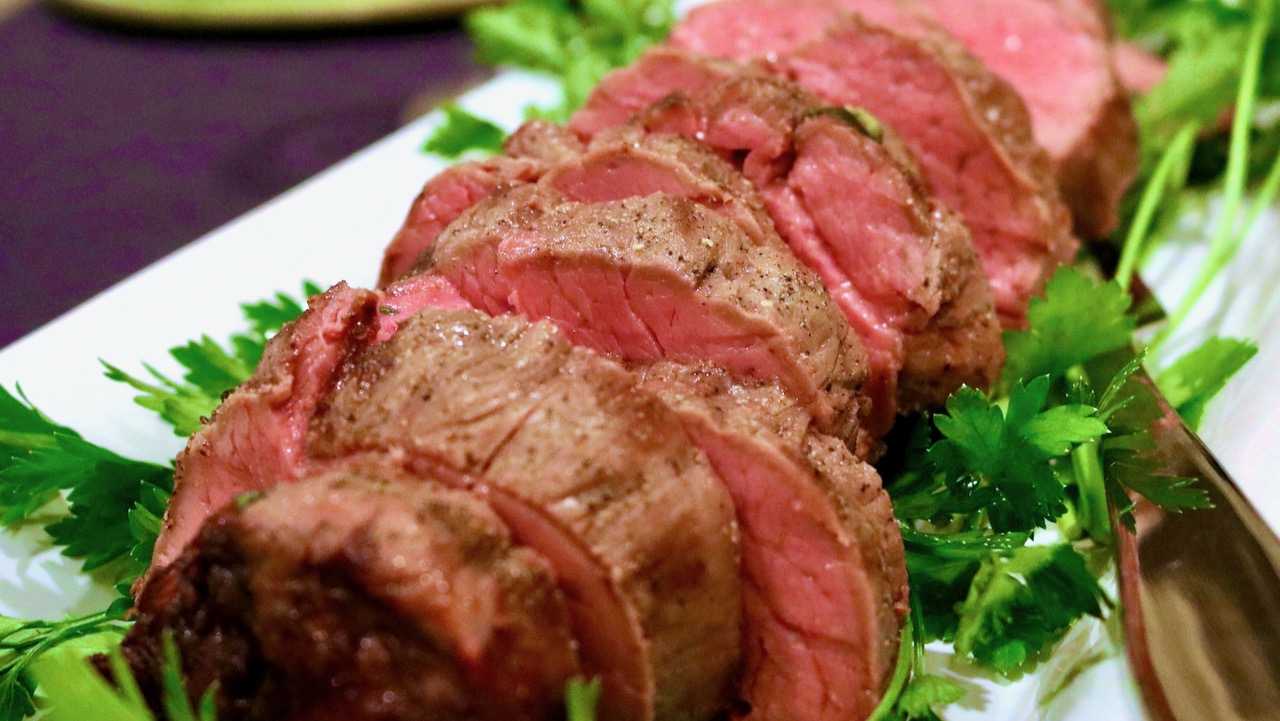
Melt-in-Your-Mouth Beef Tenderloin: Master Medium-Rare Perfection
There are few culinary experiences as universally revered as a perfectly cooked beef tenderloin. This exquisite cut, renowned for its unparalleled tenderness and elegant flavor, often takes center stage at special occasions, holiday feasts, and intimate dinner parties. While its price tag and impressive presence might suggest a daunting cooking process, mastering a melt-in-your-mouth, medium-rare beef tenderloin is surprisingly achievable. With the right techniques and a touch of confidence, you can transform this prized ingredient into a show-stopping masterpiece that will leave your guests raving.
Why Beef Tenderloin Reigns Supreme (and How to Choose It Wisely)
What makes beef tenderloin so special? The answer lies in its location on the animal. The tenderloin is a long, lean muscle that performs very little work, resulting in an incredibly fine texture and minimal marbling compared to other cuts. This inherent tenderness is why it earns its prestigious reputation and commands a higher price. When cooked correctly, it delivers a luxurious, butter-soft eating experience that truly melts in your mouth.
To ensure success, selecting the right beef tenderloin is your first crucial step. Look for a piece that is already trimmed and tied. A trimmed tenderloin means most of the silverskin and excess fat have been removed, saving you prep time. Tying helps the roast maintain a uniform shape, ensuring even cooking from end to end. For most home cooks aiming for a holiday roast or dinner party centerpiece, a tenderloin weighing around 2 to 3 pounds is ideal. While tenderloins can be much larger, this smaller size allows for more manageable cooking times and consistent results, especially when aiming for that precise medium-rare. For more detailed guidance on selecting and preparing this magnificent cut, explore
Effortless Elegance: Your Guide to Perfect Beef Tenderloin Roasts.
The Art of Flavor: Crafting an Irresistible Marinade and Perfect Seasoning
While beef tenderloin is celebrated for its natural flavor, a well-crafted marinade can elevate it to new heights, infusing every fiber with layers of complex taste. Forget complicated concoctions; the secret to an unforgettable flavor-packed tenderloin lies in a vibrant, easy-to-make marinade that combines sweet, tangy, herby, and garlicky notes.
A balsamic-based marinade often forms the foundation, offering a delightful tang and a subtle sweetness. To this, a generous amount of whole-grain mustard is a fantastic addition – beef and mustard are a classic pairing, with the mustard providing a pungent kick and aiding in tenderization. A touch of honey not only balances the tanginess but also contributes to a beautiful, caramelized crust during roasting. Finally, aromatic Mediterranean herbs like fresh rosemary, thyme sprigs, and a bay leaf are indispensable, along with smashed garlic cloves to imbue the meat with their fragrant essence.
The Marinade in Action:
Creating this flavor elixir is a cinch. In a large bowl or baking dish, whisk together olive oil, balsamic vinegar, whole-grain mustard, and honey. Add your fresh herb sprigs, bay leaf, and smashed garlic. Submerge the beef tenderloin, turning to coat it completely. Cover and refrigerate for at least 1 hour, allowing the flavors to meld and penetrate the meat. While a day-long marinade is acceptable for deeper flavor, avoid marinating for longer, as the acids can begin to break down the delicate tenderloin fibers, potentially making it mushy. This particular marinade is a standout, and you can learn more about its nuances and benefits in
Secret to Tender Beef Tenderloin: Balsamic Marinade & Yogurt Sauce.
Once marinated, proper seasoning is paramount. Before roasting, lift the tenderloin from the marinade and *generously* pat it dry with paper towels. This step is critical; moisture on the surface will steam the meat rather than allow it to brown beautifully. Once dry, don't be shy with salt and freshly cracked black pepper. A final sprinkle of chopped fresh rosemary and minced garlic provides an aromatic crust that enhances every bite.
Achieving Medium-Rare Perfection: Roasting Techniques for Tenderloin
The quest for medium-rare beef tenderloin requires precision and attention to detail. This doneness – bright red in the center, gradually fading to pink towards the edges – is often considered the ideal for this lean cut, as it prevents drying out and maximizes its inherent tenderness.
1.
Bring to Room Temperature: Before it hits the oven, allow your marinated and seasoned tenderloin to sit at room temperature for about 30-60 minutes. This promotes more even cooking.
2.
Preheat Aggressively: Preheat your oven to a high temperature, typically 450ºF (230ºC). A hot oven ensures a good sear on the exterior while keeping the interior juicy.
3.
The Wire Rack Advantage: Line a rimmed baking sheet with aluminum foil for easy cleanup, then place a wire rack inside. Elevating the tenderloin on a wire rack allows hot air to circulate freely around all sides of the roast, resulting in superior browning and more consistent cooking. Without it, the bottom of the roast might steam rather than roast.
4.
Roast with Confidence: Place the seasoned tenderloin on the wire rack. The cooking time for a 2-3 pound tenderloin typically ranges from 20 to 25 minutes to achieve medium-rare. However, *timing is merely a guideline*. The only truly reliable way to gauge doneness for such a prized cut is with an instant-read meat thermometer.
5.
Thermometer is Your Best Friend: Insert the thermometer into the thickest part of the tenderloin, avoiding any bone if present (though tenderloin is typically boneless). For medium-rare, aim for an internal temperature of 125-130°F (52-54°C). Remember that the temperature will continue to rise by a few degrees as the meat rests.
6.
The All-Important Rest: Once the desired temperature is reached, remove the tenderloin from the oven. Transfer it to a cutting board and loosely tent it with aluminum foil. Let it rest for at least 10-15 minutes. *This step is non-negotiable!* Resting allows the juices, which have been pushed to the center during cooking, to redistribute evenly throughout the meat. Cutting into it too soon will result in a dry, less flavorful experience.
7.
Carve and Serve: After resting, slice the tenderloin against the grain into thick, elegant medallions. The visual of that perfect medium-rare center will be your reward.
Elevating the Experience: The Perfect Accompaniments
A magnificent beef tenderloin deserves equally thoughtful accompaniments. While traditional sauces often involve heavy cream or butter, a lighter, more vibrant option can beautifully complement the richness of the beef.
Consider a creative spin on a classic horseradish cream sauce. By swapping traditional heavy cream or mayonnaise for tangy Greek yogurt, you create a sauce that is both bright and creamy, offering a delightful counterpoint to the beef. The tartness of the yogurt, combined with the zing of horseradish, echoes the beloved British pairing of beef and horseradish, but with a refreshing twist. A simple yogurt sauce, perhaps with a touch of fresh dill or chives, can be prepared in minutes and truly elevates the entire dish.
Beyond the sauce, classic pairings like roasted asparagus, garlic mashed potatoes, or a vibrant green salad with a light vinaigrette create a balanced and impressive meal. The key is to choose sides that enhance, rather than overpower, the star of the show – your perfectly cooked beef tenderloin.
Conclusion
Cooking beef tenderloin to medium-rare perfection is a culinary achievement that is well within your grasp. By understanding the characteristics of this premium cut, embracing a flavorful marinade, employing precise roasting techniques, and relying on the indispensable instant-read thermometer, you can confidently create a dish that is both elegant and incredibly delicious. This melt-in-your-mouth experience is more than just a meal; it's a celebration, a testament to thoughtful cooking, and an unforgettable memory waiting to be made around your dining table. So, next time a special occasion calls for something truly extraordinary, don't shy away from the beef tenderloin – master its medium-rare magic and delight in the perfection you've created.